
Clean energy employment reaches 1.8 million
A new European Environment Agency (EEA) report finds that employment in the EU's clean energy sector has climbed to 1.8 million jobs, placing the bloc second globally behind China, with 7 million clean energy jobs.
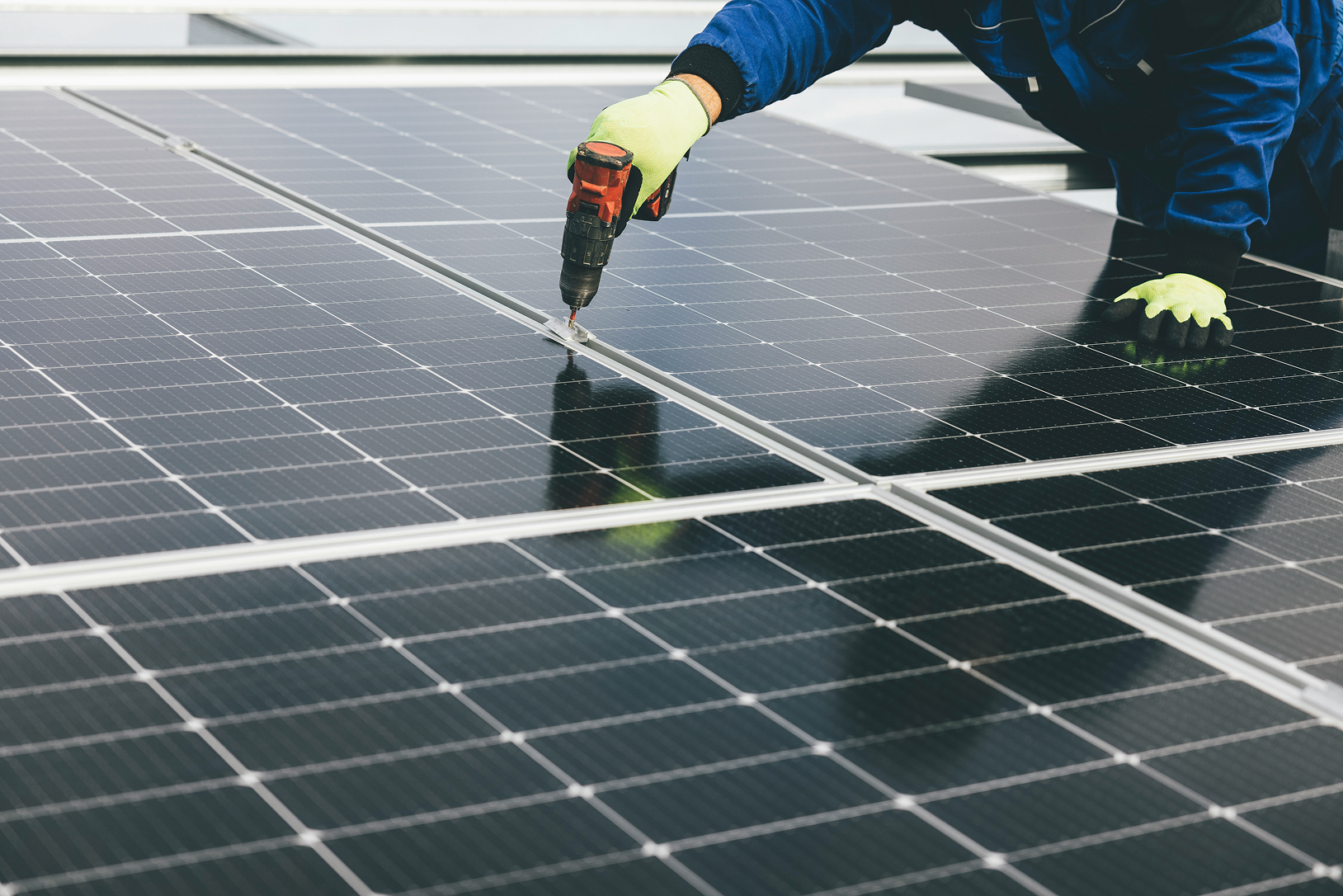
Wind energy remains the largest single employer within the sector, supporting approximately 273,500 direct jobs. It is followed by solar PV with around 227,000 workers and heat pumps with 80,100 employees.
Although the battery sector remains comparatively small at around 33,000 workers, it recorded the fastest growth rate of any clean energy technology between 2018 and 2023. This reflects the EU's push to build domestic battery manufacturing capacity alongside its renewable energy rollout.
Skills shortages could slow deployment
Despite this growth, the EEA warns that skills shortages now threaten the pace of clean energy deployment across the bloc. Most member states report persistent workforce gaps, particularly in installation and construction roles.
The report also identifies significant diversity challenges. Women account for only 14% to 26% of the workforce across these technologies, depending on the sector, while workers aged 15 to 24 represent just 6% to 7% of employees.
Building the workforce for the energy transition
The EEA recommends coordinated policy action to expand vocational and technical training. Without stronger training and recruitment pipelines, labour bottlenecks could become a major constraint on Europe's energy transition.
For employers, the findings point to growing competition for people with practical, technical and project-delivery skills across renewable energy, battery manufacturing and supporting infrastructure.
Source: EUnews — EU clean energy jobs on the rise, but skilled labour is lacking
Published: 9 September 2026