
A national mission built around scale
India's National Green Hydrogen Mission targets at least 5 million tonnes of annual green hydrogen production by 2030. The programme is expected to attract around ₹8 lakh crore in investment and require 125 GW of additional renewable energy capacity to power electrolysers.
The government estimates that the mission could support 600,000 new jobs. Production-linked incentives for electrolyser manufacturers and ₹400 crore in research and development grants are intended to help build the domestic industry.
The skills gap is already visible
The hydrogen target sits on top of an existing renewable energy workforce shortage. India's solar sector alone is expected to need more than 300,000 skilled professionals by the end of 2026, compared with around 180,000 in 2024.
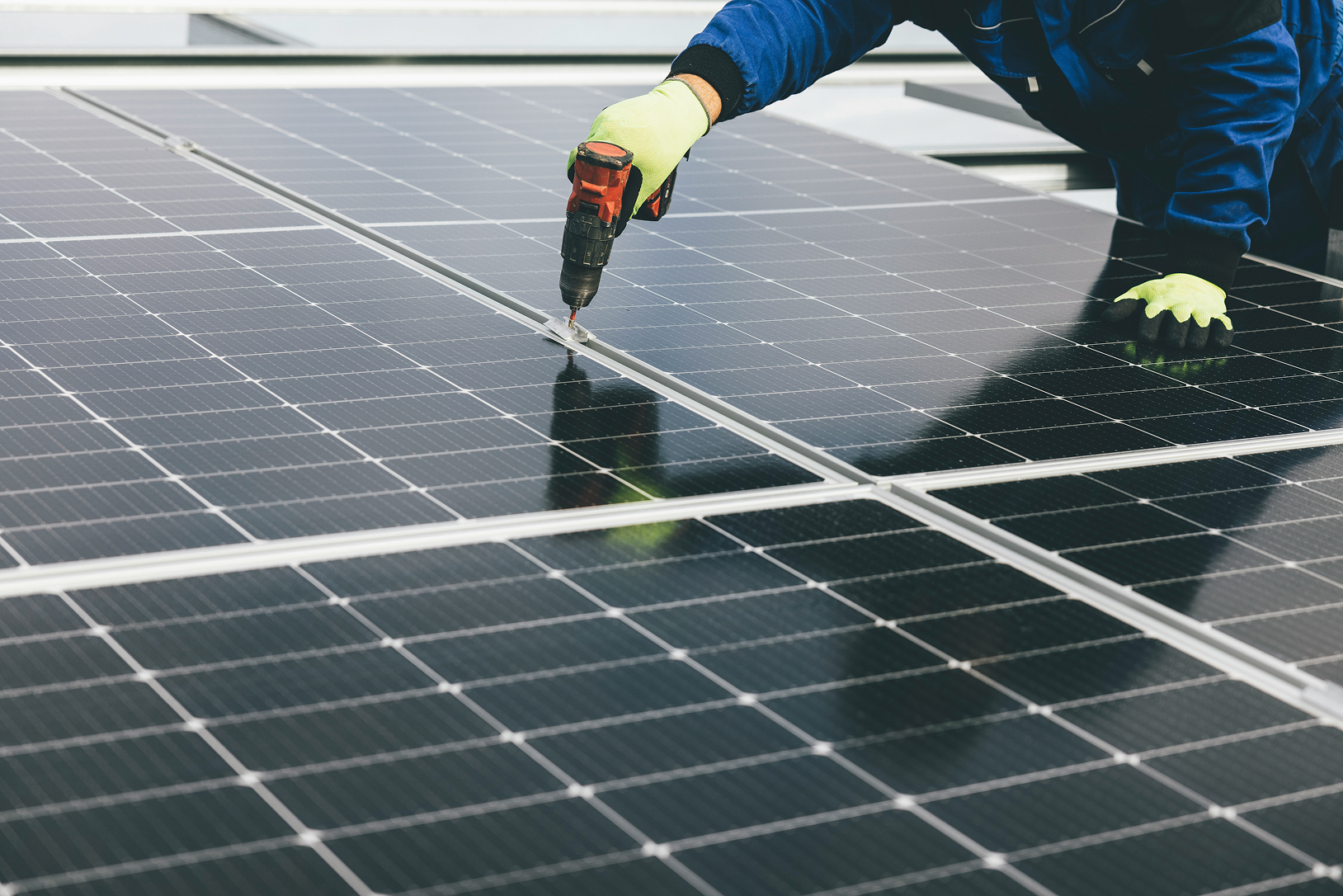
Installers, design engineers and battery-systems specialists are already among the hardest roles to fill. Demand is being driven by the national 500 GW renewable energy target and the PM Surya Ghar rooftop solar scheme.
Training will determine how quickly jobs materialise
Green hydrogen will require additional specialist roles, including electrolyser technicians and hydrogen-safety engineers. Building that workforce while the solar sector is still expanding will place further pressure on technical education and vocational training.
Formal qualifications are already influencing pay. Diploma-qualified technicians can earn starting salaries 20% to 35% higher than self-taught workers in comparable solar roles, indicating that recognised training pathways will be central to converting projected investment into skilled employment.
Sources:
Energetica India — National Green Hydrogen Mission targets 6 lakh jobs — 5 January 2023
Prime Minister of India — Cabinet approves National Green Hydrogen Mission — 4 January 2023
Indian Institute of Solar Energy — Solar Job Market Report India 2026 — 27 June 2026