
A workforce built around nickel demand
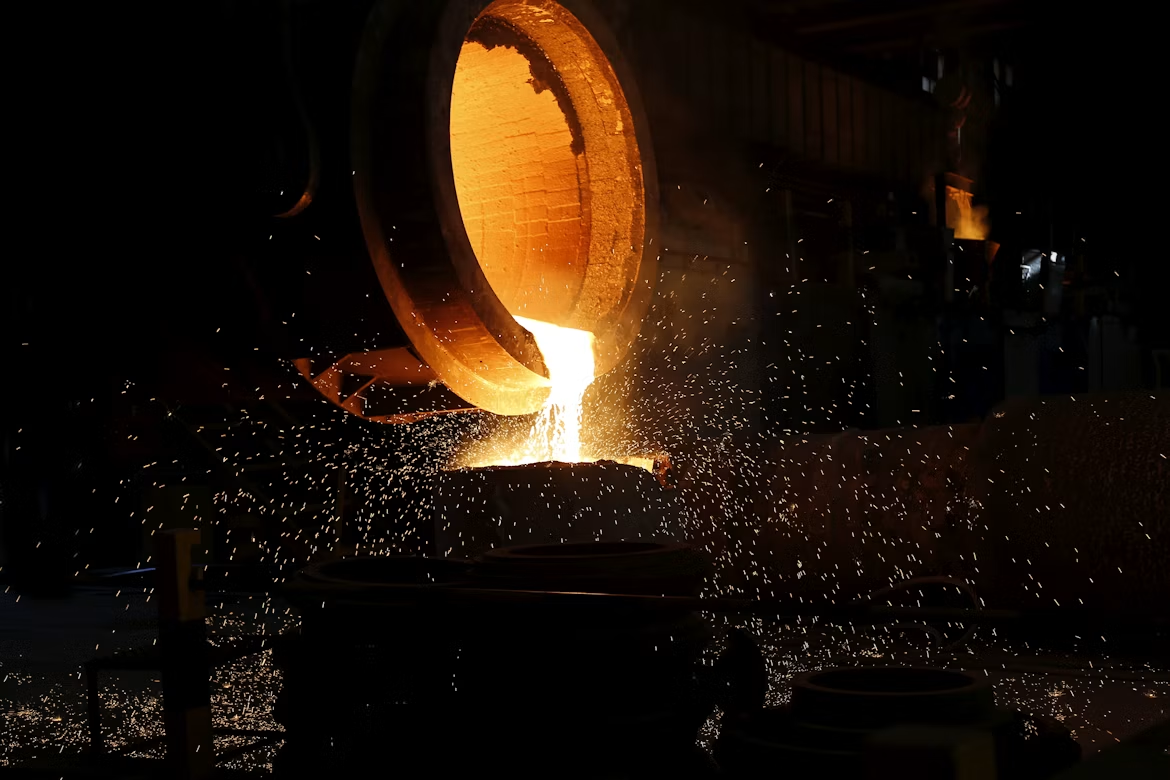
The Indonesia Morowali Industrial Park, the world's largest nickel processing zone, employs around 86,000 Indonesian workers, 16,000 Chinese workers and 24,000 contractors across 53 companies.
Much of that employment was created around expectations that nickel-based batteries would remain central to the growth of electric vehicles.
Battery chemistry is changing the outlook
Nickel prices fell from more than $48,000 a tonne in early 2022 to around $15,000 by mid-2025. At the same time, major carmakers including BYD and Tesla have increased their use of lithium iron phosphate batteries, which contain no nickel.
The combination of lower prices and changing technology is pushing some smelters to reduce production and cut jobs. This suggests a structural shift rather than a short-term slowdown.
Workers have few alternatives
Mining and smelting have already displaced some farming and fishing livelihoods in nickel-producing regions. That leaves many workers with limited options when industrial employment declines.
The experience is a warning for regions building labour markets around a single decarbonisation technology. Jobs linked to critical minerals can grow quickly, but they can also disappear when prices, supply chains or battery chemistry change.
Sources:
Rest of World — Nickel smelting for EV batteries brought wealth to Indonesia. Now jobs are disappearing — 23 July 2025
The Jakarta Post — Indonesia's nickel at a crossroads in the EV battery race — 10 March 2026