
Water-related conflicts reach a record high
An Al Jazeera explainer documents a sharp rise in water-related conflict worldwide. It reports that 420 water-related conflicts were recorded in 2024, a record high and a 78% increase from the 235 conflicts recorded in 2022.
The article maps several acute hotspots where conflict and damage to essential infrastructure are deepening existing water insecurity.
Water infrastructure under pressure across conflict zones
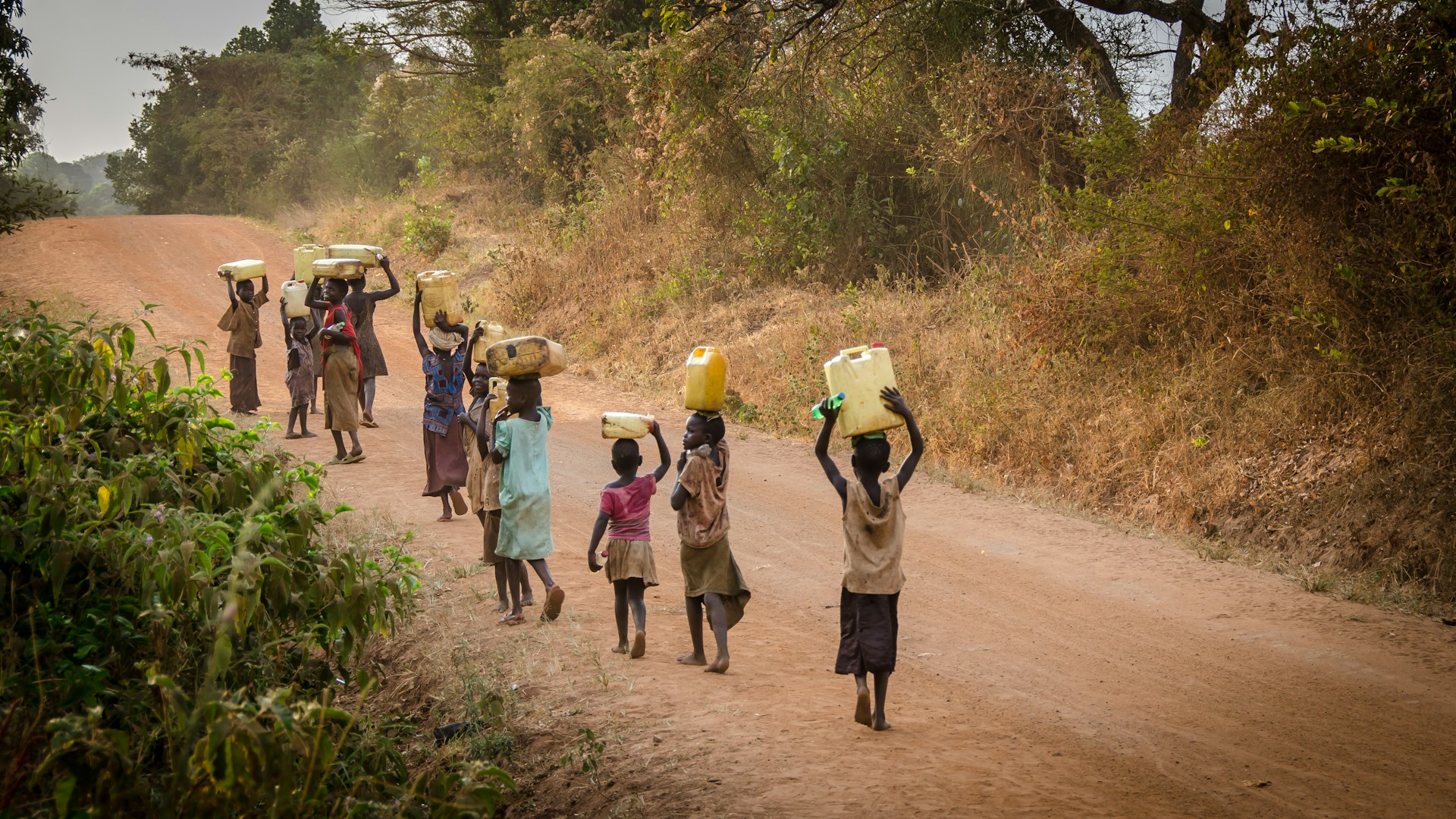
In Gaza, approximately 90% of water infrastructure has been destroyed, leaving up to 70% of the population unable to collect the minimum six litres of water per person needed each day for drinking and cooking. Water prices have reportedly risen by as much as 500%.
In Sudan, the civil war that began in April 2023 has displaced approximately 12 million people. Attacks on water systems have contributed to cholera outbreaks and worsening food insecurity across several regions.
The article also reports damage to desalination plants and reservoirs in Iran following US and Israeli airstrikes since February. Some reservoirs are now up to 92% depleted in a country already affected by drought. The wider Gulf region remains highly exposed because desalination supplies between 70% and 99% of drinking water, depending on the country.
In Ukraine, approximately 10 million people lack reliable access to safe water because of Russian attacks on water and energy infrastructure.
Water security becomes a workforce priority
Together, these cases show that water security can no longer be separated from humanitarian response and infrastructure reconstruction in conflict-affected regions.
The scale of the challenge has direct implications for employment in water engineering, logistics, public health, emergency response and humanitarian programme delivery.
Source: Al Jazeera — Where water conflicts pose the biggest threat in 2026
Published: 23 August 2026